Product Overview
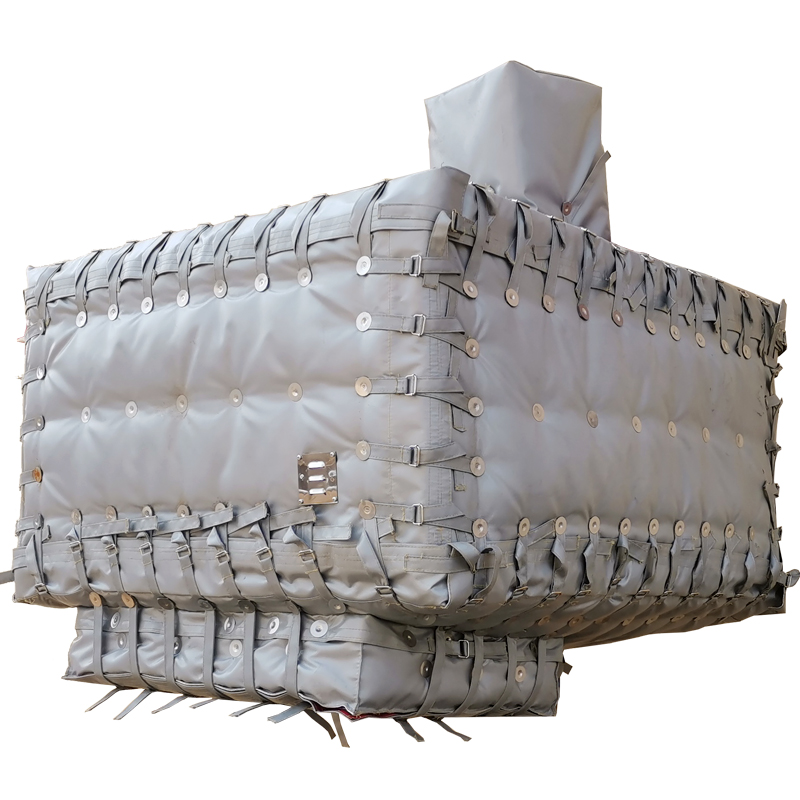
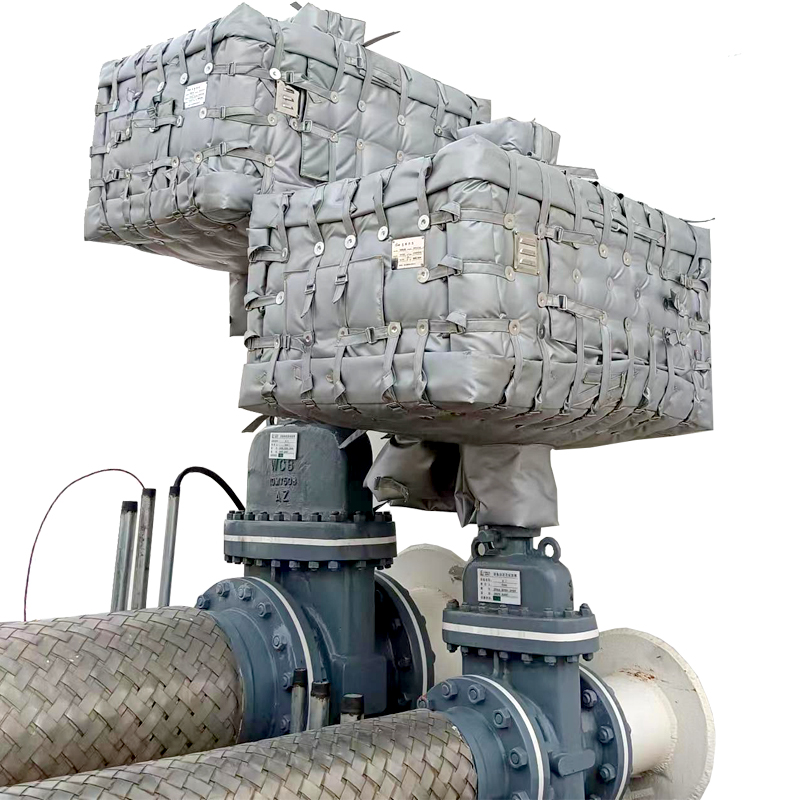
The SKE Industrial Fire Protection Hood (Passive Fire Protection, PFP) is purpose-built for everyday safety control in petrochemical and process industries. The system is focused on providing top-tier, highly effective thermal insulation protection for valve actuators, signal transmission cables, and process piping vessels under extreme sudden fire and explosion conditions such as hydrocarbon pool fires or jet fires, ensuring the orderly and normal operation of control system interlock protection and emergency shutdown logic.
The product has passed full type approval from authoritative bodies including Lloyd's Register (UK). Under the most demanding UL 1709 rapid-rise pool fire standard (furnace temperature rising rapidly to 1093°C within 5 minutes of test start), testing confirms structural integrity without rupture for up to 120 minutes. During the critical first 30-minute rescue window, the system shows excellent thermal insulation performance, decisively overcoming the functional safety pain points of traditional sealed passive fire hoods, namely excessive heat buildup under normal conditions, accumulation of Zone 0 leaked gas, and pressure-burst enclosures.
Core Advantages and Features:
Adaptive Between "Normal Safe Operation" and "Extreme Fire Resistance"
Traditional airtight passive fire hoods, in everyday service at ambient temperature, tend to trap electrical waste heat and allow water ingress that causes hidden corrosion under insulation (CUI). SKE has innovatively introduced functional-safety protective components that perfectly resolve this process conflict:
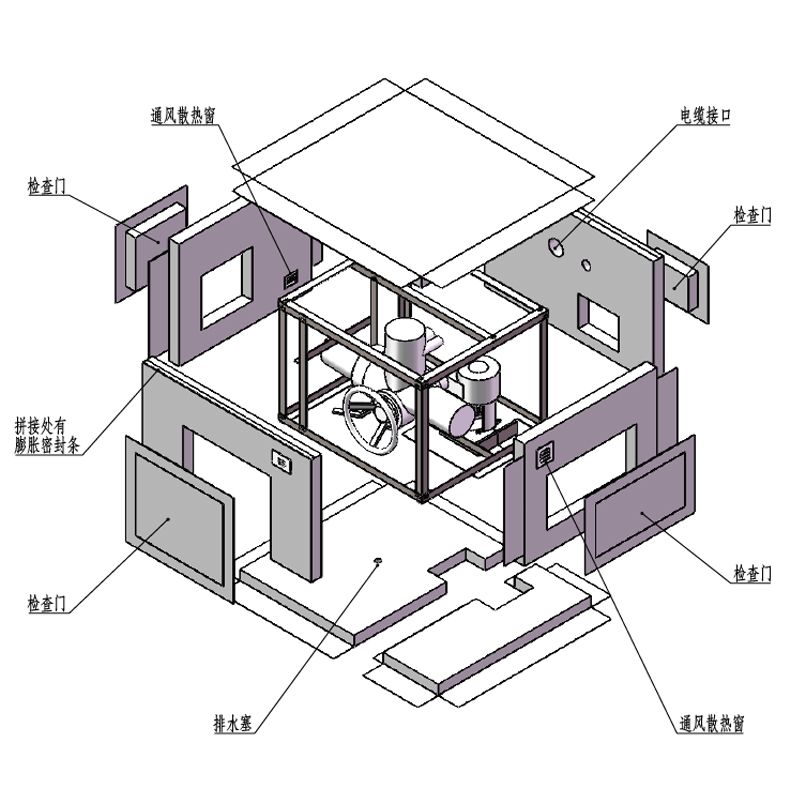
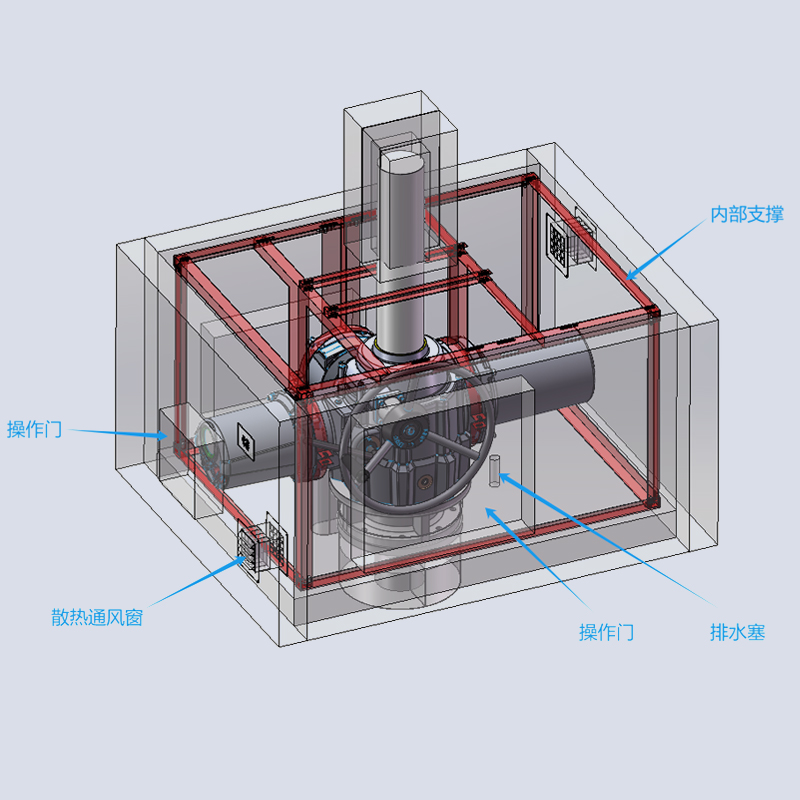
●Smart Temperature-Sensing Self-Sealing Expansion Ventilation Grille:Under normal ambient conditions it stays open, establishing unobstructed natural convective cooling that substantially reduces heat buildup and the risk of localized hydrocarbon gas accumulation from minor leaks. In the event of fire, the silicate expansion core is heat-triggered into chemical foaming, instantly forming a solid charred barrier that seals off fire and hot smoke.
●Gravity Self-Sinking Condensate Drain Plug:Installed at the lowest gravitational point of the hood, it continuously drains condensate formed by day-night temperature differences, preventing the internal fiber blanket from absorbing moisture and physically eliminating corrosion under insulation. When heated in a fire, the heat-sensitive plug instantly melts and expands to fully seal the drain hole.
●Multi-Channel Electrical/Pneumatic Quick Pressure-Relief Interface Assembly:Single-acting pneumatic actuators instantaneously vent high-pressure cylinder exhaust during emergency operation. This system's proprietary interface design provides a smooth pressure-relief path, completely eliminating the risk of the hood bursting or straps releasing due to sudden positive pressure buildup.
●Non-Destructive Quick Safety Inspection Door:Without the need to dismantle the entire fire hood, a high-frequency maintenance inspection door can be fitted at the corresponding location, allowing operators to perform frequent, non-destructive visual maintenance of the actuator handwheel, manual switchover button, local display, and wiring terminals.
●Extreme Environmental Resistance and Safety Compliance:The system offers strong resistance to salt spray, weathering, and intense UV exposure, and has been tested to withstand a 3.5 bar extreme explosion impact without internal damage or deformation. Its materials have passed SGS and RoHS screening when heated, releasing no lethal harmful gases or acid mist.
Three Application Scenarios
Scenario A: Valve and Actuator Fire Protection
● Process Pain Point: Irregular and highly variable valve shapes, frequent mechanical vibration from long-term operation, and a very high frequency of routine instrument maintenance.
● Flexible Jacket Solution: Uses a precisely surveyed 3D pre-formed filler liner, with an outer layer of silicone-rubber-coated fiberglass fire cloth (A1 fire-rated) and a middle layer of high-density ceramic fiber blanket blocking temperatures up to 1200°C. Highly flexible 304 stainless steel rings, straps and reset springs allow quick, hot-work-free assembly that fits complex irregular surfaces perfectly.
● Rigid Enclosure Solution: For emergency shutoff valves at tank bases with open surrounding space, the enclosure's outer layer uses 2.0mm-thick AISI 304 stainless steel plate with a 0.8mm stainless steel inner layer, and over 75mm of ceramic fiber fire-insulation fill in between. Evenly spaced bolted connections and 2mm-thick x 30mm-wide high-temperature expansion sealing strips at panel joints resist explosion impacts above 1.62 bar and heavy falling-object impacts.
Scenario B: Signal and Cable Fire Protection
● Process Pain Point: Long continuous cable runs, dense wiring through high-risk areas, cumbersome retrofit work, and a strict requirement to avoid shutdowns or disconnections.
● Flexible Cable Tray Solution: Provides a fully sealed wrap around instrument cable trays and channel-steel bases, with joints secured using fire-rated hook-and-loop fasteners and strap rings. Protection thickness is 50mm, with a ceramic fiber blanket water-repellency rate of up to 98.7%.
● Overwhelming Advantage: Compared to the cumbersome options of "replacing the fire-rated cable tray" or "rerouting the tray underground," this solution requires no changes to existing wiring, works on live lines, needs no hot work, and requires no unplanned shutdown, directly saving substantial overall engineering cost and downtime losses.
Scenario C: Vessel and Process Piping Fire Protection
● Typical Applications: Primarily for gas source storage tanks, high-pressure pipeline flange blinds, process tank base blinds, and power control cabinets.
● Technical Solution: A rigid stainless steel enclosure (≥75mm thick) is assembled with a high-strength keel frame matched to the vessel's shape. Its excellent energy-absorbing structure withstands vibration and deformation without cracking, ensuring that high-risk gas sources and media vessels do not trigger secondary chain explosions during a primary overpressure shock wave.
Technical Parameters
During the first 30 minutes of a pool fire, the measured maximum internal temperature rise never exceeds this limit (actual measured 30-minute rise is well below the limit), providing an extremely tight safety margin.
| Technical Performance Specifications | Flexible Jacket |
|---|---|
| Standard | Complies with UL 1709:2017 pool fire resistance standard (rising to 1093°C within 5 minutes) |
| 30-Minute Temperature RiseTest | ≤ 26.4 °C (measured from a baseline temperature of 20.41°C) |
| Fire Resistance Rating | Under 120 minutes of continuous fire testing, the internal structure and all seams remain fully intact with no damage |
| Protection Thickness | Cable tray type ≥ 50mm / Valve type ≥ 75mm |
| Material | 0.45mm-thick weather-resistant silicone-rubber-coated fiberglass cloth (A1 fire-rated) |
| Material Properties | Ceramic fiber blanket, long-term temperature resistance up to 1260°C, water repellency up to 98.7% |
| Physical Load Capacity | Tested to withstand a 3.5 Bar violent explosion shockwave without cracking or detaching |
| Joint Fastening | Highly flexible 304 stainless steel rings, straps and stainless steel reset spring assemblies |
| Seam Sealing Design | Fully stitched using 2mm-thick special high-temperature fire-resistant core-wrapped thread |
| Functional-Safety Components for Normal Service | Smart temperature-sensing self-sealing expansion ventilation grille, gravity self-sinking drain plug, non-destructive quick safety inspection door |
| Service Life | Designed for a 15-year service life under typical harsh environmental conditions |
| Technical Performance Specifications | RigidEnclosure |
|---|---|
| Standard | Complies with the UL 1709 pool fire resistance standard (rising to 1093°C within 5 minutes) |
| 30-Minute Temperature RiseTest | ≤ 21.3 °C (excellent thermal insulation efficiency) |
| Fire Resistance Rating | Under 120 minutes of continuous fire testing, all welded joints show no cracking or deformation |
| Protection Thickness | ≥ 75 mm (heavy-duty insulation fill specification) |
| Material | 2.0mm-thick AISI 304 stainless steel plate (0.8mm-thick inner layer) |
| Material Properties | Ceramic fiber insulation cotton material, continuous temperature resistance limit up to 1260°C |
| Physical Load Capacity | Tested to withstand explosion shockwave loads above 1.62 Bar and physical impact damage |
| Joint Fastening | Secured by evenly spaced AISI 304 stainless steel bolts |
| Seam Sealing Design | Fitted with a high-performance 2mm-thick x 30mm-wide fire-resistant expansion sealing strip |
| Functional-Safety Components for Normal Service | The enclosure is fitted with heat-dissipation vents (auto-expanding and fusing shut in a fire) and a gravity drain plug |
| Service Life | The enclosure is fitted with heat-dissipation vents (auto-expanding and fusing shut in a fire) and a gravity drain plug |
Application Scenarios
To achieve intrinsic high functional safety for plant safety systems, SKE precisely matches technology to industry pain points:
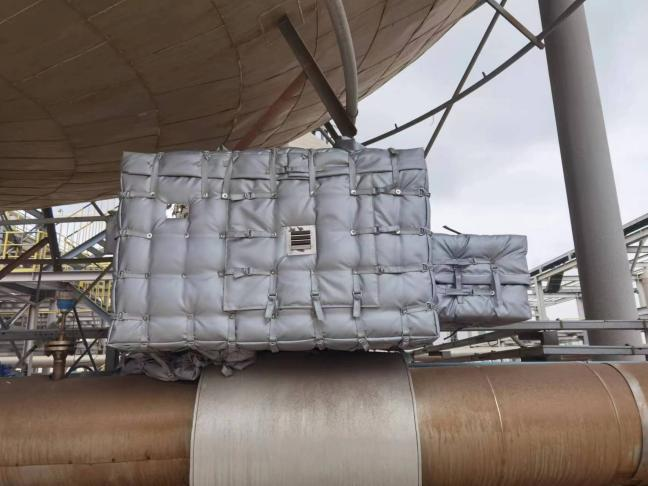
● Coastal / High-Humidity / Heavily Polluted High-Risk Storage Tank Areas (a hotspot for corrosion-under-insulation, CUI):
Coastal storage and transfer tank areas are exposed long-term to a corrosive microclimate of high salt spray and high humidity. In traditional fire hoods, moisture ingress accumulates on the metal valve body surface and forms galvanic cells, causing extremely dangerous corrosion under insulation (CUI).
SKE™ Application: This system's fiber blanket, with up to 98.7% water repellency, combined with the gravity condensate drain plug, continuously expels condensate that accumulates inside the hood from day-night temperature swings, physically breaking the galvanic corrosion chain. Its silicone-coated surface fabric has passed a 72-hour seawater and strong-acid immersion corrosion test, providing top-tier protection for end assets.
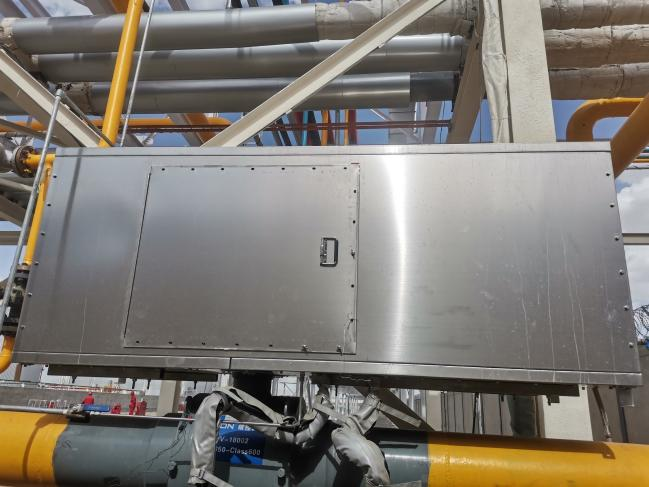
● Aging Plant Safety Hazard Remediation and Overhaul (avoiding unplanned power/production shutdown pain points):
When aging petrochemical and fine chemical facilities undergo major SIS compliance remediation, the extensively laid secondary instrumentation control cables often lack fire protection. Fully replacing fire-rated cable trays inevitably means rewiring, power shutdowns, and huge economic losses from prolonged full-plant shutdowns. SKE Application: Its flexible cable tray fire hood can be tightly wrapped directly around existing long cable runs, with the entire installation requiring no disconnection or power-down, no disruption to normal plant operation, and no hot-work risk on site — an engineering solution that cuts costs and boosts efficiency for legacy hazard remediation.
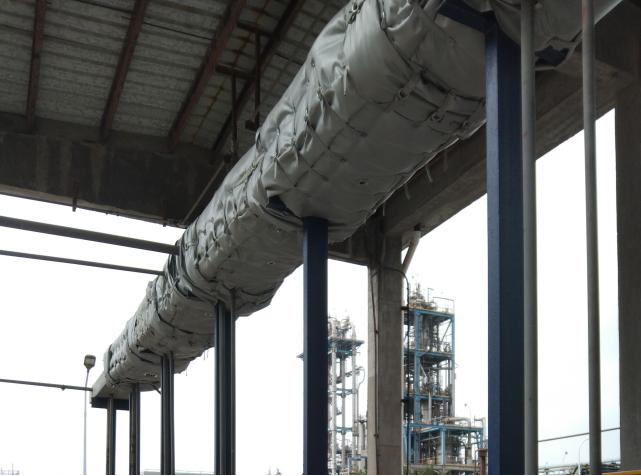
● Open-Air High-Explosion, High-Impact Risk Areas (areas with high physical load exposure):
For core large-diameter valves and media flange vessels distributed along large refinery pipe racks and tank bases, which are exposed year-round to wind, sun, and extreme outdoor conditions demanding high resistance to mechanical impact and heavy loads.
SKE™ Application: Provides a fully welded rigid AISI 304 stainless steel fire enclosure. Its extra-thick rigid metal shell offers strong resistance to physical impact and falling-object damage; even in the event of a serious primary deflagration on site, its explosion resistance above 1.62 Bar keeps the actuator securely enclosed, safeguarding ESD system function.
Case Studies (161+ Applications Completed Over the Past Five Years)
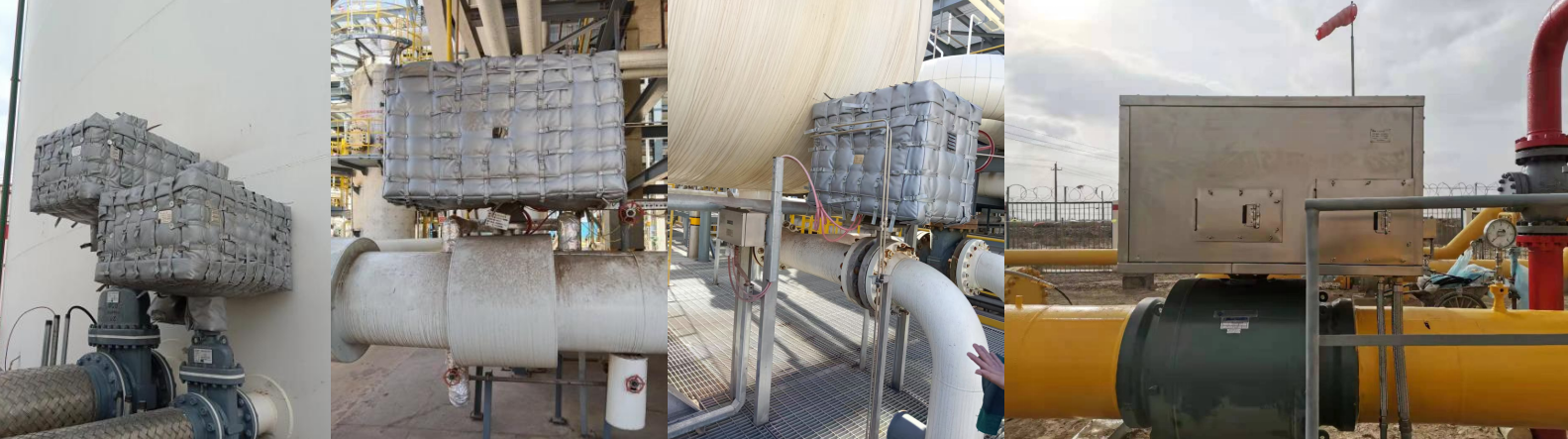
●[Case Study 1] Sinopec
○ Project Overview & Delivery: For this mega-project's core SIS safety instrumented control area, this product line supplied 232 high-reliability flexible passive fire hoods for emergency valves and actuators, under a direct framework agreement with the owner. It successfully withstood the round-the-clock extreme climate challenges of coastal salt spray and intense UV aging. Its adaptive smart ventilation grille — venting waste heat smoothly at normal temperatures and fusing shut within milliseconds in a fire — ensured zero false trips and zero unplanned shutdowns of the plant-wide safety instrumented interlock system after commissioning, earning high technical praise from the EPC contractor and package suppliers.
●[Case Study 2] Wanhua Chemical
○ Project Overview & Delivery: Given the site's intricate spatial dead zones and extremely irregular, frequently oscillating control valve assembly shapes, the team handled custom engineering surveys, preliminary drawings, and fabrication and assembly, delivering 301 sets of high-precision modular flexible fire hoods under a direct agreement. The project fully passed Wanhua's extremely strict environmental assessment and harmful-substance heat-release screening (fully meeting SGS test criteria for no toxic fiber release), enabling hot-work-free on-site assembly and safe, stable service.
●[Case Study 3] Yulong Petrochemical
○ Project Overview & Delivery: As one of the largest domestically invested flagship integrated refining-chemical projects in recent years, it demanded exceptionally strict, exclusive technical criteria for the explosion overpressure resistance and long-term safety limits of passive fire protection components. The team worked closely with the design institute (SINOPEC Engineering Incorporation, SEI) to embed parameter red-line specifications during the Front-End Engineering Design (FEED) phase, ultimately delivering 402 sets of heavy-duty flexible passive fire barrier kits under direct agreement, covering all extremely high-risk gas sources and tank-base core actuators plant-wide.
●[Case Study 4] PetroChina
○ Project Overview & Delivery: Supplied as a complete control assembly package through a major valve manufacturer (via deep OEM channel partnership), providing 104 sets of high-performance flexible passive fire protection systems. Since commissioning, there has been no deformation or fatigue loosening at any seam, spring, or 304 locking strap, delivering world-class process safety protection for the owner's daily operations.